How To Stay Safe In The Sun
- Jul 15, 2024
- 3 min read
Background
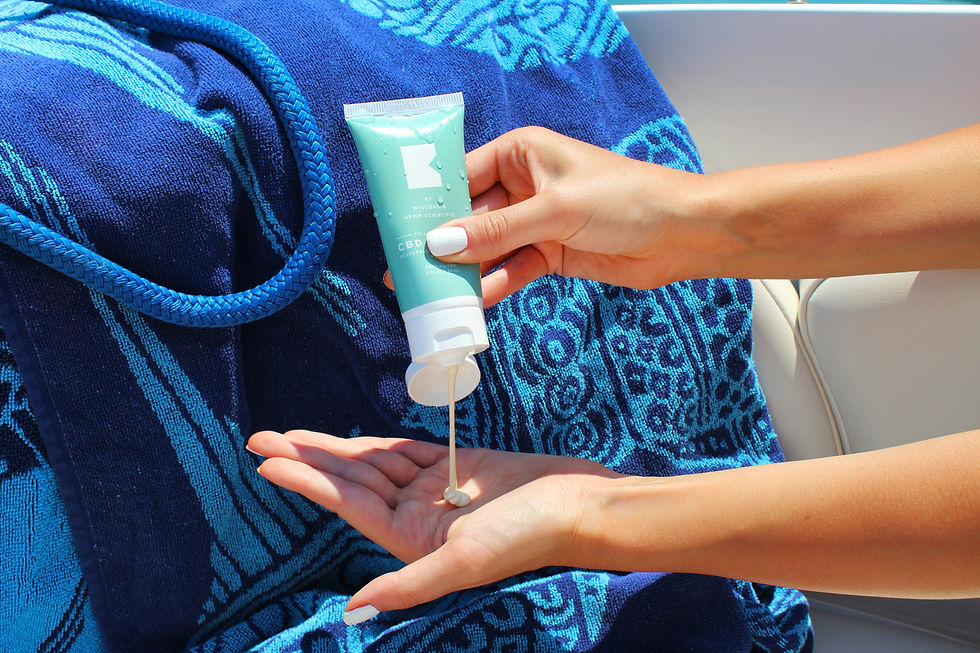
A very important way to protect your skin this summer is with the use of sunscreen. With only the height of 58% of Americans wearing sunscreen during the summer, let alone 31% year-round, it is crucial to realize the importance of using such a tool to protect your skin.
What is SPF
SPF-sun protection factor- is the measure of protection you receive from the UVB rays that the sun emits. The following SPFs block the following percentage of UVB rays:
SPF 15- 93%
SPF 30- 97%
SPF 50- 98%
SPF 100- 99%
It is recommended to use an SPF between 30 and 50 as anything above that won't provide much protection. The difference in higher SPFs is not that greater in terms of protection, and the sunscreen will wear off due to rubbing off or sweating, so it should be reapplied liberally at least every two hours. It is recommended to apply 1/2 teaspoon to your face and neck, and an ounce to the rest of your body that will exposed to the sun. It is recommended to apply sunscreen 15-30 minutes before sun exposure. Additionally, you will need a "broad-spectrum sunscreen," meaning that it proectects against UVA and UVB rays.
UVA vs. UVB

UVA
Sunscreens protect against two main types of UV rays: UVA and UVB. UVA rays are the most abundant UV rays found on Earth, making up 95% of all UV rays. UVA rays penetrate through the dermis, the second layer of the skin, damaging collagen and elastin, which leads to tanning. This effect leads to wrinkles and skin aging, and when working with UVB rays, can cause skin cancer.
UVB
UVB rays make up the other 5% of UV rays found on Earth. UVB rays work on the first layer of the skin, the epidermis, and although they don't work on a depper skin level as UVA rays do, they still cause skin damage. UVB rays damage skin cells and cause DNA mutations, which can lead to melanoma, other types of cancer, and cataracts, a cloudiness in the area of the eye that helps focus light.
Chemical vs. Physical Sunscreens
There are two types of sunscreen that a person can use to protect themselves from these rays, and they are typically used up to preference.
Chemical
Chemical sunscreens, containing many ingredients, are sunscreens that are absorbed into the top layer of the skin, which absorb UV rays, and turn them into energy, which doesn't harm the skin. The chemical reaction that chemical sunscreens undergo is with these UV rays that turn them into heat, and release that heat from your skin before the rays can harm you. Becuase chemical sunscreens need to absorbed into your skin, it is recommended to apply it 20 to 30 minutes before sun exposure.
Physical
Physical sunscreens, sometimes called natural, or mineral sunscreens, on the other hand, are sunscreens that contain two main ingredients: zinc oxide and titanium dioxide. These ingredients in the sunscreen sit on top of the skin, acting as shield to protect against and reflect UV rays. Due to the thickness of physical sunscreens, they tend to leave a white cast on the skin.

Best Protection
Both sunscreens work well to protect against UV rays, it is a matter of personal preference of which one a person uses. Because chemical suncsreens are less thick than physical ones, they are often used for the face and neck, whereas physical sunscreens are often used for the rest of the body. It is also recommended that people of sensitive skin groups, and young children, use physical sunscreen as there are less ingredients, making it less harsh for the skin. Ultimately, the preference for which sunscreen to use is all up to the user.
Sources:
Comments